Everything you need to know about the Australian working holiday visa in 2026 — who is eligible, the new age limits, what it costs, the savings you need, and how to score a second and third year. Written for UK and European backpackers.
In This Guide
What is the Working Holiday Visa?
The working holiday visa is the golden ticket for a gap year in Australia. It lets young travellers live here for 12 months, travel freely, and — the key part — work legally to fund the adventure. You can even extend it to a second and third year if you tick a few boxes.
There are two versions: • Subclass 417 (Working Holiday): for the UK, Ireland, Germany, France, Italy, the Netherlands, Belgium and more. • Subclass 462 (Work and Holiday): for the USA, and a separate list of countries.
They work almost identically day to day. The main differences are the eligibility rules and a few conditions we cover below. Always confirm the current details on the official Department of Home Affairs website before you apply — rules and fees do change.
Am I Eligible? (Age & Country)
The headline rules for 2026:
• Age: the standard range is 18–30, but citizens of the UK, Ireland, France, Canada, Italy and Denmark can apply up to 35. As of 1 July 2026, four more countries were added to the age-35 list — Germany, South Korea, Finland and Cyprus — so their citizens can now also apply up to 35. You must lodge your application before your 36th birthday. • Passport: you need a valid passport from an eligible country. • No dependent children can come with you on the visa. • First application from outside Australia: your first working holiday visa must be applied for and granted while you are offshore.
If you are close to the age cut-off, do not leave it — from 1 July 2026 your age is assessed at the date you lodge, so getting your application in early locks in your eligibility.
What Does It Cost & What Savings Do I Need?
Two separate pots of money to plan for:
• The visa fee: as of 2026 the first-year application charge is around AUD $640–$840 depending on your visa subclass and nationality (it was restructured in mid-2026, so check the current figure when you apply). Second and third-year visas carry their own fees. • Proof of funds: you generally need to show access to around AUD $5,000 in savings, plus enough for a return or onward flight, when you apply.
These are the official minimums — in reality we would always suggest landing with a bit more of a buffer so you are not job-hunting under pressure in your first fortnight. Figures here are a 2026 guide only; always confirm the live amounts on the official immigration website.
Working on the Visa
What you can and cannot do:
• Who you work for: any employer, in almost any industry — hospitality, retail, farm work, events, construction and more. • How long per employer: generally up to 6 months with any single employer, though exemptions exist in some regions and sectors. • Study: you can study or train for up to 4 months.
Backpacker work is genuinely easy to find in the busy seasons — hostels, notice boards, word of mouth and job apps are how most people land their first gig. Earning Aussie dollars is what makes a long trip affordable.
Getting a Second & Third Year
Loving it and want to stay longer? You can extend — and the rules reward regional work:
• Second year: for most nationalities you complete 88 days (3 months) of specified work in regional Australia during your first year — typically farm work, mining, construction or fishing. • Third year: complete 6 months of specified regional work during your second year.
Big exception for UK citizens: under the Australia–UK Free Trade Agreement, UK passport holders are exempt from the 88-day requirement — you can roll into a second and third year without the regional work. A genuine perk if you are British.
Insurance & the Fine Print
A few things travellers often miss:
• Travel & health insurance: not strictly required to get the visa, but strongly expected — and honestly non-negotiable. Australian healthcare is excellent but expensive if you are uninsured. • Character & health checks: you may be asked for police clearances or a health check. • Tax: you will need a Tax File Number (TFN) to work, and you can usually claim some tax back when you leave. • Superannuation: employers pay into a super fund for you, and you can claim it when you depart Australia.
Sort your TFN and a local bank account in your first week and you will be job-ready fast.
How Dundee Helps
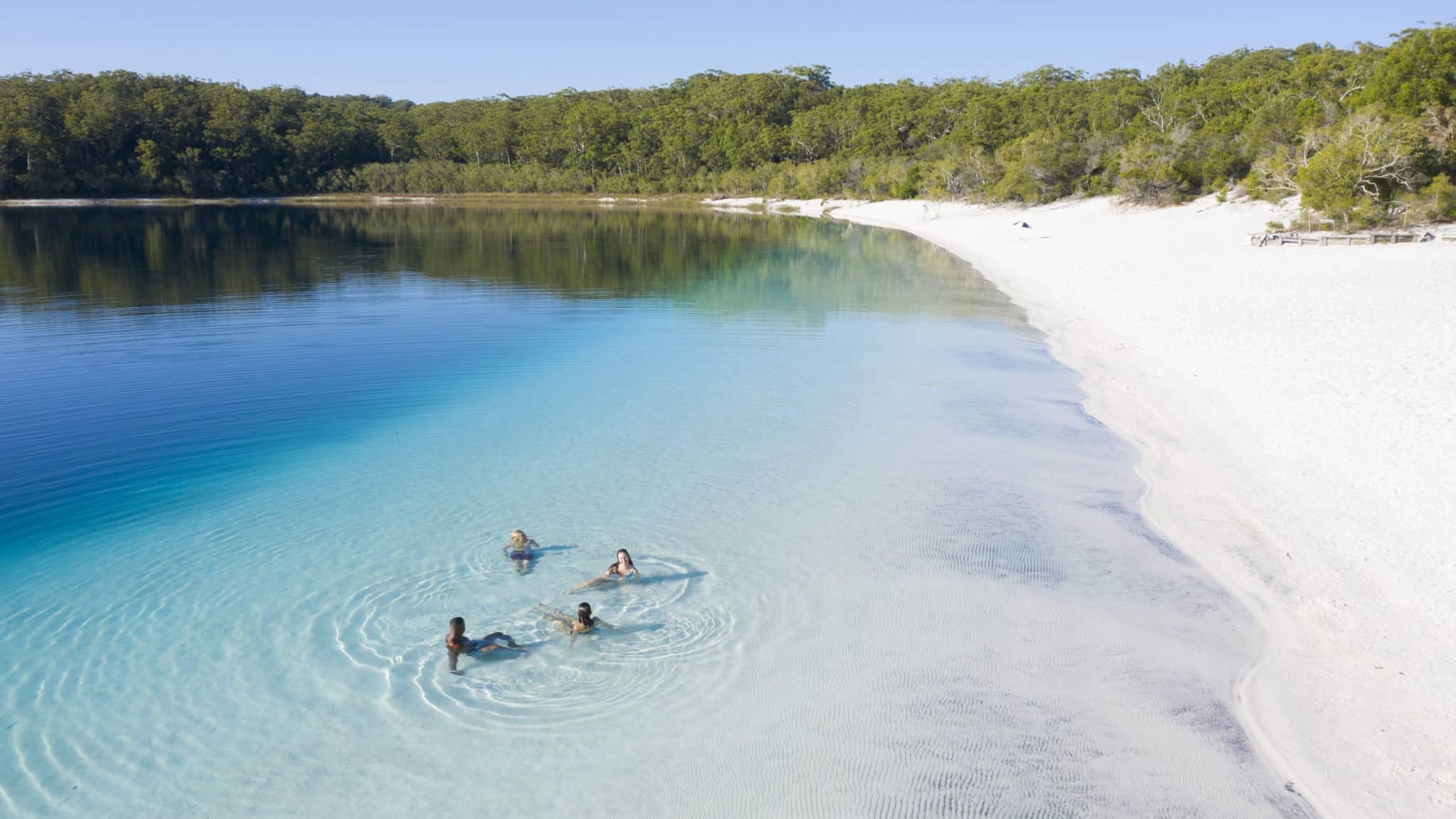
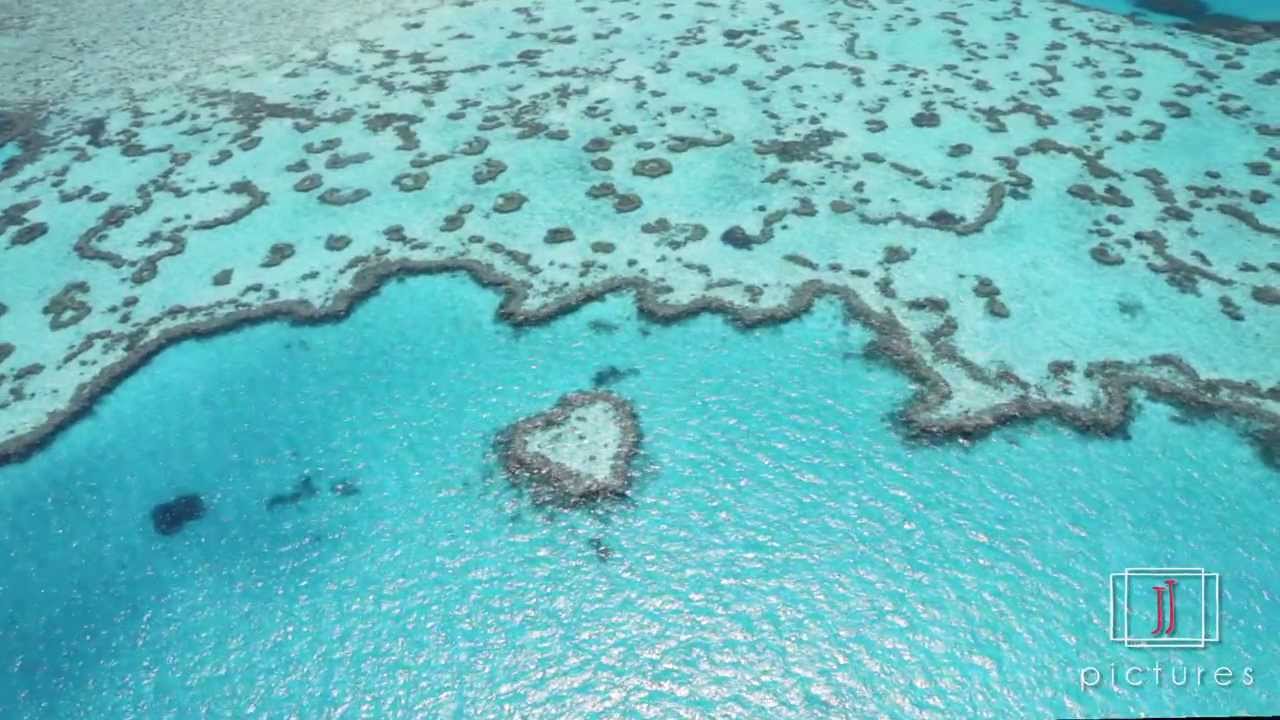
We are not a visa agency — always apply through the official Department of Home Affairs website, it is straightforward and you do not need to pay a middleman. Where we come in is everything after you land: planning your route, booking the big trips (the reef, K'gari, the Whitsundays, the Red Centre), campervan hire and backpacker-friendly deals, all with real Aussie advice and no hidden fees.
Tell us when you are arriving and what you want to see, and we will help you make the most of your working holiday from day one.
Ready to Start Your Adventure?
Our local team in Noosa can help you plan the perfect trip with best price guarantee.