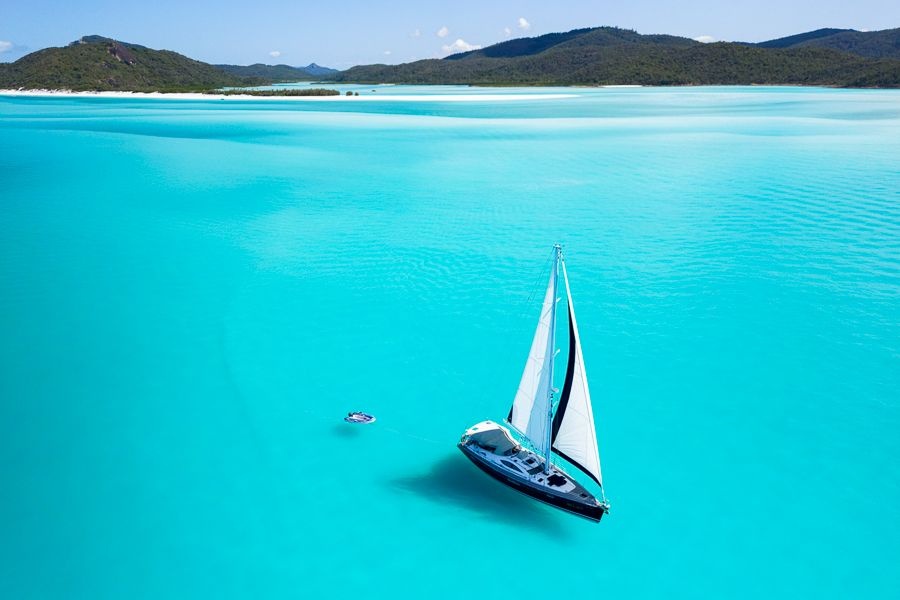
If you’re searching for a whitsundays sailing itinerary, the short answer is this: most trips run for 2 or 3 days, include Whitehaven Beach, scenic sailing through the islands, snorkelling on reef sites, and a mix of sailing, swimming and social time on board. The best itinerary for you depends on your budget, how much time you have, and whether you want a party boat, a relaxed sail, or a more comfortable small-group trip. For most backpackers and 18–35 travellers, a 2D/2N or 3D/2N sailing trip gives the best balance of value and time on the water.
The Whitsundays are one of the easiest places on the east coast to build a trip around. If you’re mapping out a bigger route, it fits neatly into an East Coast run between Cairns, Airlie Beach and further south, with options to pair it with K'gari (Fraser Island), reef time on the Great Barrier Reef, or a broader East Coast Adventures plan.
What a Whitsundays sailing itinerary usually looks like
Most Whitsundays sailing itineraries follow a similar pattern, even if the boat style changes. You’ll usually depart from Airlie Beach, spend time sailing between island anchorages, stop at snorkel sites, visit Whitehaven Beach, and return after one, two or three nights on board. Some trips lean more towards relaxation and comfort, while others are built for a social crowd and make the most of deck space, snorkelling and sunset drinks.
The usual structure is:
- Day 1: Check-in, board the boat, safety briefing, set sail and stop for snorkelling or a swim.
- Day 2: Early start, Whitehaven Beach and Hill Inlet viewpoint on many itineraries, plus more sailing and snorkelling.
- Day 3: Final snorkel stop or slow sail back to Airlie Beach.
That basic format can shift depending on weather, tides and the operator’s route. In practice, the crew will adjust the day so you get the best conditions, especially for snorkelling and Whitehaven access.
2-day Whitsundays sailing itinerary
A 2-day itinerary is the fastest way to experience the islands, and it suits travellers who are time-poor or trying to keep the east coast moving. You’ll still get the headline highlights, but the pace is tighter and the onboard experience matters more because you’ll spend a lot of time with the same group.
Typical 2D/1N route
- Departure from Airlie Beach: Board in the afternoon or morning, meet the crew and settle in.
- First sail: Head out to a sheltered anchorage, often with a swim or snorkel stop on the way.
- Overnight: Anchor in a calm bay for dinner, sunset and an early night or social time, depending on the boat.
- Second day: Whitehaven Beach is usually the main event, followed by more sailing and a return to Airlie Beach.
This is the right choice if you want the iconic Whitsundays experience without giving up too many days elsewhere. It’s also the best option for travellers who want a quick highlight trip rather than a slow, luxury-style sail. If you’re still comparing trip types, browse the Whitsundays Tours range to see how boat style affects the itinerary.
3-day Whitsundays sailing itinerary
A 3-day itinerary is usually the sweet spot. You get more time to sail, more flexibility with snorkelling conditions, and a better chance of feeling like you’ve actually spent time in the islands rather than just ticking off the famous stops. For many travellers, this is the most complete Whitsundays sailing itinerary.
Typical 3D/2N route
- Day 1: Depart Airlie Beach, cruise through the islands and stop at one or two snorkel sites.
- Day 2: Visit Whitehaven Beach and, where included, Hill Inlet lookout or another scenic stop.
- Day 3: Final swim, snorkel or sail before returning to Airlie Beach in the afternoon.
Three-day trips are a better fit if you like being on the water and want a less rushed schedule. They can also be better value in practical terms because you’re spreading the experience over more time, which matters if sailing is one of the main reasons you’re going to the Whitsundays. If you also want reefs, beach time and a broader Queensland travel plan, the Whitsundays region page is a useful place to compare options before you book.
How the itinerary changes by boat type
Not all sailing trips in the Whitsundays are the same. The route may be similar, but the feel of the trip changes a lot depending on the vessel, group size and onboard setup.
Social backpacker sailing boats
These trips usually suit younger travellers who want a lively group and a more casual atmosphere. Expect shared cabins or mixed sleeping arrangements, communal meals, plenty of deck time and a route that focuses on the main highlights. The itinerary is often efficient and social rather than slow and luxurious.
Smaller group sailing boats
Smaller boats can feel more personal and flexible. They often suit couples, friends or solo travellers who want a calmer pace, better space on deck and a more relaxed onboard feel. The itinerary is often similar to larger boats, but you may spend longer in each location if conditions allow.
Comfort-focused sailing trips
Some trips place more emphasis on comfort, food quality and cabin space. These itineraries are still active, but the day may feel less rushed and more balanced. If you want the Whitsundays without the party vibe, ask specifically about group size, sleeping layout and whether the boat is sail-led or motor-assisted.
What you’ll usually see on a Whitsundays sailing itinerary
A good Whitsundays sailing itinerary should include a mix of iconic and practical stops. The headline name is Whitehaven Beach, but the value of the trip also comes from the in-between moments: sunrise on deck, reef snorkelling, calm anchorages and time spent moving through the islands by sail rather than by fast ferry.
- Whitehaven Beach: The signature stop, known for bright white sand and clear water.
- Hill Inlet lookout: Often included on some itineraries, depending on tides and route.
- Snorkelling sites: Conditions vary, but many trips include at least one or two reef stops.
- Sailing through the islands: The scenery is part of the experience, not just the destinations.
- Sunset anchorages: These are where the pace slows and the boat feels most memorable.
If snorkelling is a priority, check whether the operator is more sailing-focused or more reef-focused. You may want to combine your trip with other marine experiences through Diving & Snorkelling if you’re building a reef-heavy east coast trip.
Best time of year for a Whitsundays sailing itinerary
You can sail the Whitsundays year-round, but the experience changes with the seasons. The best timing depends on what matters most to you: weather, sea conditions, school holiday crowds or the chance of calm, sunny days.
Dry season: roughly May to October
This is the most popular period for sailing. Conditions are often more settled, humidity is lower, and the weather generally feels easier for time on the water. It’s a strong option if you want the most reliable sailing conditions.
Wet season: roughly November to April
You can still have excellent trips in the wet season, but conditions can be more humid and changeable. There may be more rain, and itineraries can be adjusted for comfort and safety. If you’re flexible, you may still find a good value window outside peak dates.
No matter when you go, the crew will plan around weather and tides. That’s one reason a Whitsundays sailing itinerary should always be treated as a flexible plan rather than a fixed timetable.
What to pack for a sailing trip
Pack light and think in terms of life on deck. Space is limited, bags get moved around more than in a hostel, and you’ll spend most of your time in swimwear, a cover-up and comfortable clothes.
- Swimmers and a rash shirt
- Light clothes for warm weather
- Hat and sunglasses
- Reusable water bottle
- Seasickness tablets if you need them
- Small towel
- Dry bag or waterproof pouch for your phone
- Sandals or reef-safe water shoes if preferred
- Light jacket for breezy evenings
If you’re unsure what to bring, ask the operator what’s included and whether bedding, snorkel gear and meals are provided. That keeps your packing simple and helps avoid overpacking for a trip where storage is tight.
How to choose the right itinerary for you
The best Whitsundays sailing itinerary is the one that matches your travel style, not just the one with the biggest list of inclusions. If you’re short on time, go for 2 days. If you want the fuller experience, choose 3 days. If you care most about comfort, ask about boat size, cabin layout and crew style before you book.
Use these questions to narrow it down:
- Do I want a social boat or a quieter one?
- How important is Whitehaven Beach compared with sailing time?
- Do I want one night or two nights on board?
- Is snorkelling a major priority?
- Am I happy with basic facilities, or do I want more comfort?
If you’re building a bigger itinerary across Australia, you can also compare sailing with other trip styles on Packages & Passes or get help from free trip planning help to match the Whitsundays with the rest of your route.
Practical tips before you book
Book early if you’re travelling in peak season, school holidays or around major long weekends. Popular boats fill quickly, especially the ones with the best mix of comfort and value. If your dates are flexible, you’ll usually have more choice and a better chance of finding the boat style you want.
It also helps to think beyond just the itinerary name. Two trips that both say “3D/2N sailing” can feel very different once you factor in group size, bedding, cabin comfort, meal quality and how much actual sailing is involved. Ask for the details, then decide based on the style that suits you.
In the Whitsundays, the right itinerary is less about cramming in every stop and more about choosing the boat and trip length that match how you like to travel.
The bottom line
A whitsundays sailing itinerary is usually a 2- or 3-day trip from Airlie Beach with Whitehaven Beach, snorkelling and scenic island sailing built in. If you want the fastest hit of the highlights, go short. If you want the most complete experience, choose three days and a boat style that fits your travel pace. For most backpackers and young travellers, that’s the most practical way to get real value from the Whitsundays.
To compare live options and find the right style for your trip, start with the Whitsundays region page, then explore the Whitsundays Tours range and the broader Great Barrier Reef and East Coast Adventures plans if you’re building a bigger route.