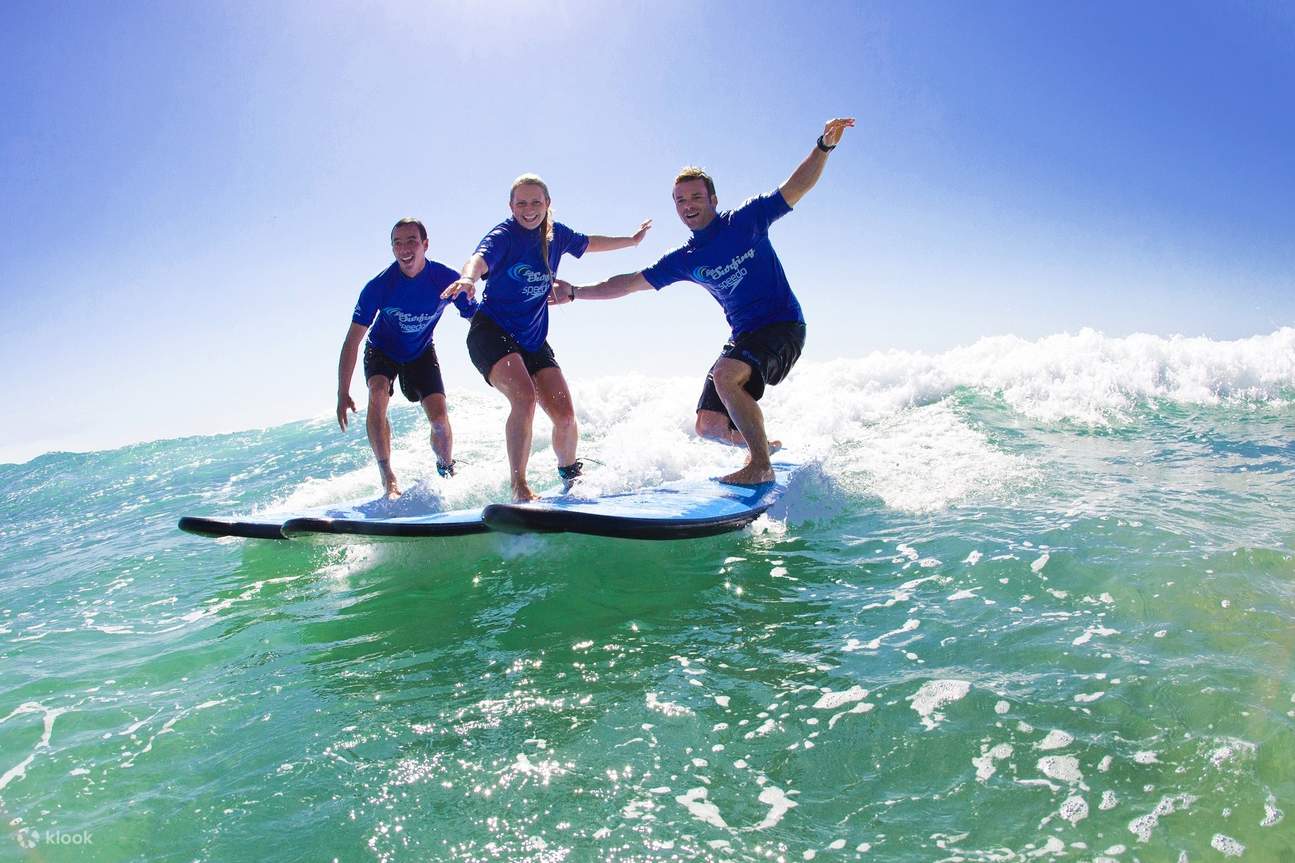
If you’re searching for the best surf camps, the short answer is this: pick a camp with consistent waves for your level, coaches who actually teach technique, accommodation that suits your budget, and a location that gives you something to do when the surf is quiet. For most 18–35 travellers, the best options are the ones on Australia’s east coast, especially around Byron Bay, the Gold Coast, and a few reliable stretches in NSW and Victoria. If you want help narrowing it down, start with Surf Camps and compare it against nearby routes like Byron Bay & Gold Coast or Great Ocean Road.
What counts as “best” depends on what you want from the trip. Some surf camps are all about fast progress and daily coaching. Others are built around a social backpacker atmosphere, surf-skate, yoga, and beach time. A few are better for beginners who have never stood on a board, while others suit people who can already pop up and want more wave time. The right choice is not the flashiest camp; it is the one that matches your goals, budget, and travel route.
How to choose the best surf camp
A good surf camp should make your first few sessions easier, not more confusing. Look for small group lessons, qualified instructors, transport to the beach, and beginner-friendly boards if you are new to surfing. If you already have some experience, ask whether the camp offers intermediate coaching, video feedback, or different surf spots depending on conditions.
Location matters just as much as the lesson format. A camp with a beautiful beach but poor wave consistency can be frustrating if you are only staying a few days. Likewise, a surf camp in a remote area may be great for focus but less useful if you want nightlife, cafes, and easy transport afterwards. For most travellers, the sweet spot is a camp close to a laid-back beach town with enough going on to fill the gaps between sessions.
Accommodation is the next filter. Some camps use shared dorms to keep the vibe social and costs down, while others offer private rooms or more comfortable lodge-style stays. If you are travelling solo, dorms often make sense. If you are recovering from a big East Coast trip and want more sleep, a quieter setup can be worth prioritising.
Finally, check what is actually included. The best surf camps usually bundle boards, wetsuits or rash shirts, transfers, lessons, and some meals. That makes planning easier and often improves value. If you want a package that fits into a longer route, compare options with Packages & Passes or use free trip planning help to line up your dates and transport.
The best surf camp destinations for 2026
Byron Bay and the Gold Coast
For many travellers, this is the top pick. Byron Bay is the classic backpacker surf stop: beach town energy, relaxed hostels, and enough other activities to keep non-surf days easy. The Gold Coast brings more wave options, better access to services, and a broader mix of beginner and intermediate breaks. If you want a surf camp that slots neatly into a road trip, this region is hard to beat.
Byron works well if you want a softer introduction to surfing and a social atmosphere. The Gold Coast is a better fit if you are after a bit more structure, a wider range of beaches, and easy transport. For travellers moving north or south on the east coast, this region often gives the most balanced mix of surf quality and trip convenience. See more options on the Byron Bay & Gold Coast page.
Sydney and NSW coast
Sydney is not always the first place people think of for surf camps, but it can be a smart choice if you want to add a surf block at the start or end of a city stay. Many NSW coast areas also offer strong beginner-friendly beaches and a more local feel than the bigger backpacker hubs. If you are combining lessons with a wider state trip, browse Sydney & NSW to see how a surf camp fits into the route.
NSW suits travellers who want a mix of surf and city access rather than a full beach-town reset. It is often a good fit for shorter stays, especially if you are only available for a few days and need transport links to stay simple.
Great Ocean Road and Victoria
If you want scenery as well as surf, the Great Ocean Road is a strong contender. Conditions can vary more than in some northern east coast spots, but the setting, road trip potential, and range of coastal stops make it a worthwhile option. It is a good choice for travellers who like their surf camp to be part of a bigger adventure rather than the whole trip.
Victoria can suit slightly more experienced beginners too, especially those who want to keep learning in cooler water and are happy to layer up. If you are driving the southern route, take a look at Great Ocean Road and build the camp into the wider itinerary.
Cairns and Far North Queensland
Cairns is better known for reef trips and rainforest escapes, but it can still work as a base if you are building a longer East Coast run that includes a surf camp further south. It is not usually where people go solely for surf camps, but it is useful to know if you want to combine lessons with snorkelling, diving, or a tropical north stop. Start with Cairns Tours & Adventures if you want to build a broader itinerary around your beach time.
Fiji for a tropical add-on
If you are after warm water and a proper island break, Fiji can be a great add-on to an Australia trip. It is not the first choice for every traveller, but it suits people who want a surf camp atmosphere with an easygoing Pacific setting. If you are comparing different island-style trip ideas, check out Fiji Adventures alongside your Australian surf options.
Best surf camps by traveller type
First-time surfers: Choose a camp that focuses on beach safety, board basics, and one-on-one correction. Beginner camps should make you feel comfortable in the water from day one. The best ones keep the lesson pace steady and avoid overcrowded groups.
Solo backpackers: Pick a camp with dorms, group dinners, and easy social time after lessons. You want enough structure to meet people without feeling locked into every hour of the day. Surf camps near lively beach towns often work best for this.
Intermediates: Look for camps that offer coaching beyond the basics, like reading the lineup, improving turn technique, or choosing better waves. A camp with flexible surf spot selection is often more useful than one with the biggest social calendar.
Budget travellers: The best value usually comes from camps that include accommodation, equipment, and several lessons rather than charging each item separately. If you are planning a long trip, compare surf camps against broader Packages & Passes to see whether bundling saves money overall.
What a good surf camp should include
Not every surf camp is built the same, so it helps to know what matters before you book. The essentials are usually surfboard hire, wetsuits or rash shirts, transport to the beach, and multiple lessons with qualified instructors. Many camps also include breakfast or other meals, which can make the trip much easier if you are trying to keep your daily spending under control.
Some camps go further with yoga, skate sessions, video analysis, or theory workshops. These extras can be useful, but they should not distract from the main point: getting in the water often enough to improve. If you are only staying for a short time, prioritise surf time over lifestyle add-ons.
It is also worth checking the camp’s group size and beach access. Small groups usually mean more feedback and less waiting around. Easy beach access matters too, especially if the camp runs in a spot where conditions change quickly and the instructors need to move you to the right break.
What surf camp costs usually look like
Because surf camp rates change with season, location, and inclusions, it is better to plan with a range than a fixed figure. As a rough guide, budget surf camps are often around the lower-mid range for backpacker accommodation and lessons, while premium packages with private rooms and extra activities sit higher. If you want better value, look for camps that package accommodation, meals, lessons, and transfers together.
In practical terms, expect the overall spend to depend on whether you book a short intro course or a multi-day stay. A more complete surf camp can be a solid value if it replaces separate hostel, transport, and lesson costs. If you are plotting a wider East Coast trip, compare this against your other stops on East Coast Adventures so you can balance surf with transport and sightseeing.
When to book a surf camp
Book early for school holidays, peak backpacker season, and popular coastal towns. The best surf camps fill faster when weather is good and the social travel calendar is busy. If you are travelling in a shoulder season, you may get more flexibility, but the best instructors and room types can still go quickly.
Wave conditions matter too. Surf camps do operate year-round in many parts of Australia, but the experience changes with swell, wind, and water temperature. If you are not sure where to go, ask for help based on your dates and skill level rather than choosing purely on location name recognition.
Best surf camps: our practical verdict
If you want the most reliable all-round choice, start with the Byron Bay and Gold Coast corridor. It offers the best balance of beginner-friendly surf, backpacker-friendly infrastructure, and easy onward travel. If you want scenery and a road trip feel, Great Ocean Road is the stronger pick. If you want to mix surf with city access or a broader NSW route, Sydney and the surrounding coast make sense. For a tropical add-on, Fiji can be a great way to finish a beach-heavy trip.
The real winner is the camp that fits your level and your route. A camp can have a great reputation and still be wrong for you if it is too advanced, too quiet, or too far from the rest of your plans. That is why the best surf camps are not just about waves; they are about logistics, comfort, and how easily the trip slots into the rest of your journey.
If you want to keep planning simple, start with Surf Camps, compare nearby regions like Byron Bay & Gold Coast and Great Ocean Road, then use free trip planning help to line up the right dates and transport.
The best surf camp is the one that gives you enough coaching to improve, enough comfort to recover, and enough location value to keep the whole trip moving.
How to make the most of your surf camp
Arrive ready to surf more than once. A good night’s sleep, sunscreen, water, and an open mind make a bigger difference than most people expect. Listen to the coach, keep your expectations realistic, and focus on getting small wins rather than chasing perfect style on day one.
If you are nervous, that is normal. Most surf camps are built for mixed ability levels, and a decent instructor will work with that. The fastest progress usually comes when you stop worrying about looking competent and just keep paddling out.
If you are building a longer trip around the coast, consider pairing surf with other easy-to-reach experiences. You can shift from the beach to the reef, island trips, or a road adventure without needing to overcomplicate your route. Dundee can help compare those moving parts so your surf camp is part of a practical itinerary, not a standalone booking headache.